
BẠN ĐANG TÌM KIẾM CÁI GÌ?
BẠN ĐANG TÌM KIẾM CÁI GÌ?

Trong các ứng dụng năng lượng mới và môi trường điều khiển công nghiệp, thời gian ngừng hoạt động của thiết bị hiếm khi xảy ra do một bộ phận trung tâm lớn bị vỡ đột ngột. Thông thường, các sự cố hệ thống nghiêm trọng bắt nguồn từ những yếu tố nhỏ nhất, dễ bị bỏ qua nhất: hệ thống dây dẫn. Khi xử lý các hệ thống lưu trữ năng lượng hiệu suất cao, thiết bị máy bay không người lái phức tạp hoặc các tủ điều khiển được bố trí dày đặc, các kỹ sư phải đối mặt với ba thách thức dai dẳng. Chúng bao gồm nhiễu điện từ (EMI) làm suy giảm chất lượng tín hiệu, suy giảm nhiệt do lựa chọn dây dẫn không phù hợp và hỏng hóc kết nối cơ học do việc bấm đầu nối không đạt tiêu chuẩn.
Giải quyết những vấn đề này đòi hỏi phải chuyển sự chú ý khỏi các chiều dài dây dẫn tiêu chuẩn, có sẵn trên thị trường sang các cụm dây dẫn chuyên dụng, được thiết kế riêng cho từng ứng dụng. Bằng cách phân tích tải điện, các yếu tố gây nhiễu môi trường và các ràng buộc vật lý của hệ thống, các nhà tích hợp có thể loại bỏ hiện tượng phóng điện hồ quang nhỏ, nhiễu tín hiệu và sụt áp thường gặp trong các thiết kế điện hiện đại. Hướng dẫn này sẽ phân tích chi tiết các nguyên lý vật lý của những lỗi này và mô tả cụ thể các cấu hình dây dẫn cần thiết để giải quyết chúng một cách triệt để.
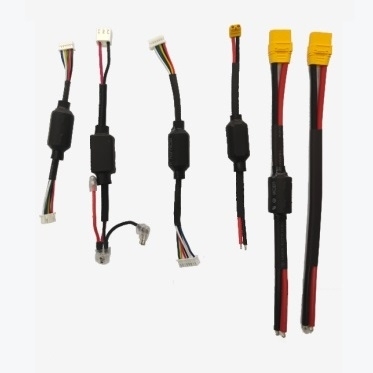
Trong các hệ thống tự động hóa liên quan đến biến tần (VFD), biến tần năng lượng mặt trời hoặc bộ điều khiển bay máy bay không người lái, nhiễu tín hiệu là một mối đe dọa thường trực. Các linh kiện chuyển mạch tốc độ cao tạo ra nhiễu điện từ đáng kể. Khi các dây dẫn tín hiệu nhạy cảm chạy song song với đường dây điện cao thế, chúng hoạt động như ăng-ten, hấp thụ nhiễu này. Kết quả là các chỉ số cảm biến không ổn định, các gói dữ liệu bị mất và hành vi phần cứng không thể đoán trước. Ví dụ, mô-đun GPS hoặc bộ điều khiển bay của máy bay không người lái có thể bị giật đột ngột chỉ đơn giản vì bó dây điện chạy bên cạnh thiếu lớp chắn hoặc bộ lọc thích hợp.
Mặc dù cáp chống nhiễu là một giải pháp tiêu chuẩn, nhưng chúng lại làm tăng trọng lượng và độ cứng, điều này rất bất lợi trong các ứng dụng hàng không vũ trụ hoặc năng lượng mới nhỏ gọn. Một giải pháp hiệu quả hơn nhiều để giảm nhiễu tần số mục tiêu là tích hợp lõi ferrite trực tiếp vào cụm dây dẫn. Sử dụng một loại cụ thể Cáp chống nhiễu vòng từ Nó cung cấp một điểm nghẽn cục bộ, trọng lượng nhẹ cho nhiễu chế độ chung tần số cao. Vòng từ tính, được cấu tạo từ vật liệu gốm trộn với oxit sắt và các kim loại khác, về cơ bản hoạt động như một điện trở phụ thuộc tần số.
Ở tần số thấp (như truyền tải điện DC tiêu chuẩn), vòng này có trở kháng không đáng kể, cho phép dòng điện truyền tải tự do. Tuy nhiên, khi tần số nhiễu tăng vọt lên đến dải megahertz, trở kháng của vòng tăng theo cấp số nhân, hấp thụ nhiễu tần số cao và tiêu tán nó dưới dạng một lượng nhiệt nhỏ. Phương pháp lọc thụ động này rất quan trọng đối với các bó dây tín hiệu và nguồn xoắn đôi, đảm bảo tính toàn vẹn dữ liệu được giữ nguyên mà không cần phải thiết kế lại đường dẫn bên trong vỏ thiết bị.
Nhiệt độ cao là kẻ thù chính của vật liệu cách điện. Trong các hộp điều khiển công nghiệp và hệ thống lưu trữ năng lượng mới, bó dây dẫn thường xuyên phải chịu dòng điện cao liên tục trong các không gian kín kém thông gió. Việc sử dụng dây dẫn tiêu chuẩn trong điều kiện này sẽ đẩy nhanh quá trình hư hỏng lớp vỏ PVC. Theo thời gian, chất làm dẻo sẽ bị rò rỉ ra ngoài, khiến lớp cách điện trở nên giòn và dễ bị nứt, điều này chắc chắn dẫn đến đoản mạch hoặc sự cố chạm đất.
Các kỹ sư phải cẩn thận lựa chọn dây dẫn phù hợp với thông số kỹ thuật của Underwriters Laboratories (UL) và môi trường hoạt động. Một lỗi thường gặp là sử dụng dây dẫn UL1007 (được đánh giá ở 80°C và 300V) trong môi trường thường xuyên có nhiệt độ xung quanh trên 70°C, hầu như không còn khoảng dự trữ nhiệt cho hiện tượng tỏa nhiệt Joule do chính dây dẫn tạo ra. Nâng cấp lên tiêu chuẩn UL1015 sẽ giải quyết vấn đề này. UL1015 có lớp cách điện dày hơn nhiều và được đánh giá ở 105°C và 600V.
Đối với việc phân phối điện tầm trung trong các tủ điều khiển, việc triển khai một Bộ dây dẫn điện UL1015 20AWG tùy chỉnh Dây dẫn 20 AWG mang lại sự nâng cấp đáng kể về độ tin cậy. Độ dày 20 AWG cung cấp khả năng dẫn dòng điện cân bằng (khoảng 11 ampe tùy thuộc vào cấu hình bó dây) trong khi lớp vỏ UL1015 chịu được nhiệt độ cao khắc nghiệt trong các không gian kín. Khi cần công suất lớn hơn, việc chuyển sang dây dẫn UL1015 16 AWG đảm bảo giảm thiểu sụt áp trên các đoạn dây dài hơn, điều này đặc biệt quan trọng khi kết nối với các thành phần như cáp kết nối nguồn điện trở thấp 50MM XT30. Duy trì điện trở thấp trên toàn bộ chiều dài của bó dây giúp ngăn ngừa các điểm nóng cục bộ có thể làm ảnh hưởng đến toàn bộ mô-đun lưu trữ năng lượng.
Ngay cả khi tiết diện dây và lớp cách điện được quy định hoàn hảo, hệ thống vẫn rất dễ bị tổn thương tại các điểm đấu nối. Các đầu nối được bấm không đúng cách là nguyên nhân gây ra phần lớn các sự cố về dây dẫn. Việc bấm đầu nối không tối ưu sẽ tạo ra các khe hở không khí siêu nhỏ giữa các sợi dây và thân đầu nối. Oxy xâm nhập vào các khe hở này, gây ra quá trình oxy hóa. Đồng bị oxy hóa có điện trở cao hơn, tạo ra nhiệt. Nhiệt gây ra sự giãn nở và co lại, làm lỏng thêm mối bấm, hút thêm oxy vào và tạo ra một chu kỳ quá nhiệt nguy hiểm được gọi là phóng điện hồ quang siêu nhỏ.
Mối nối bấm chuyên nghiệp phải đạt được độ kín khí. Điều này có nghĩa là lực cơ học tác dụng trong quá trình bấm rất lớn khiến các sợi đồng riêng lẻ bị biến dạng và hàn nguội với nhau, loại bỏ hoàn toàn các khoảng trống không khí. Việc đạt được độ chính xác này bằng tay gần như không thể trong sản xuất hàng loạt. Đó là lý do tại sao việc tìm nguồn cung cấp mối nối được sản xuất chính xác là rất quan trọng. Bộ lắp ráp đầu nối ferrule đã được ép sẵn Điều này rất quan trọng đối với độ tin cậy.
Cho dù tích hợp các đầu nối XH-5P sang FDD để uốn dây cho mảng cảm biến hay sử dụng các đầu nối SV2-4S cho khối nối đất, các cụm dây được uốn sẵn tại nhà máy đều trải qua quá trình kiểm tra lực kéo nghiêm ngặt và phân tích mặt cắt ngang để xác minh tính toàn vẹn của mối hàn nguội. Đặc biệt, các đầu nối dạng ống bọc rất cần thiết cho tủ điều khiển. Chúng bao bọc dây dẫn xoắn, ngăn ngừa hiện tượng sờn khi được đưa vào khối đầu nối và đảm bảo rằng vít siết tạo áp lực đồng đều lên tất cả các sợi dây, thay vì làm đứt chúng.
Để hiểu rõ hơn về giới hạn hoạt động và tiêu chí lựa chọn của các thành phần này, các bộ dữ liệu sau đây cung cấp các số liệu cơ bản để đánh giá độ tin cậy của bộ dây dẫn. Bảng đầu tiên trình bày chi tiết các ngưỡng hoạt động khác nhau giữa các tiêu chuẩn dây dẫn thông dụng được sử dụng trong các ứng dụng năng lượng mới. Bảng thứ hai nêu rõ lực kéo cơ học tối thiểu có thể chấp nhận được đối với các cỡ dây khác nhau, đóng vai trò là chỉ số kiểm soát chất lượng chính cho độ bền của mối nối.
| Tiêu chuẩn dây | Độ dày dây dẫn tiêu chuẩn (AWG) | Điện áp định mức | Nhiệt độ tối đa | Vật liệu cách nhiệt | Hồ sơ ứng dụng chính |
|---|---|---|---|---|---|
| UL1007 | 24 AWG - 16 AWG | 300V | 80°C | PVC tiêu chuẩn | Tín hiệu điện áp thấp, đường dây dẫn hở, cảm biến cơ bản. |
| UL1015 | 22 AWG - 10 AWG | 600V | 105°C | PVC thành dày | Hệ thống dây điện bên trong các thiết bị, tủ điều khiển, bộ biến tần năng lượng mới. |
| Silicone chịu nhiệt cao | 20 AWG - 8 AWG | 600V | 200°C | Cao su silicon | Dây dẫn pin máy bay không người lái (ví dụ: XT30/XT60), động cơ dòng điện cao. |
| Độ dày dây (AWG) | Tiết diện danh nghĩa (mm²) | Lực kéo tối thiểu khi uốn (Newton) | Loại thiết bị đầu cuối được đề xuất |
|---|---|---|---|
| 22 AWG | 0,32 mm² | 35 N | XH-5P, Chân cắm xoắn đôi |
| 20 AWG | 0,52 mm² | 58 Bắc | Ống, ổ cắm FDD |
| 16 AWG | 1,31 mm² | 133 N | SV2-4S Đầu xẻng, Vòng đệm |
Khắc phục các lỗ hổng cơ sở hạ tầng đòi hỏi các quyết định kỹ thuật chủ động từ rất lâu trước khi giai đoạn lắp ráp bắt đầu. Việc chỉ dựa vào kiểm tra trực quan các cụm dây dẫn là không đủ để xác định các khoảng trống bên trong hoặc khả năng chống nhiễu điện từ không đạt yêu cầu. Các kỹ sư phải yêu cầu nhà sản xuất dây dẫn cung cấp tài liệu đầy đủ và chính xác về thử nghiệm lực kéo, điện trở cách điện và đặc tính trở kháng.
Việc kiểm tra môi trường hoạt động sẽ quyết định chính xác các yêu cầu về vật liệu. Nếu tủ điều khiển được bịt kín và có nhiều thiết bị, dây dẫn PVC tiêu chuẩn chắc chắn sẽ bị xuống cấp sớm. Việc chỉ định mức nhiệt độ cao hơn và xác minh sự hiện diện của bộ phận giảm nhiễu tích hợp sẽ làm giảm đáng kể tần suất các lỗi thiết bị không thể dự đoán trước. Bằng cách coi bó dây dẫn là một thành phần quan trọng, chủ động chứ không phải là một yếu tố thụ động được thêm vào sau, các nhà tích hợp có thể đảm bảo hiệu suất và độ an toàn bền vững của các hệ thống điện hiện đại đòi hỏi khắt khe.
E-mail : grace@smartwireconnect.com
điện thoại : +8613554925749
Whatsapp : +8613554925749
2-3 Floor, No. 45, Minfu Road, Shatou Industrial Zone, Shajing Street, Bao'an District, Shenzhen, Guangdong, China


©2026 Công ty TNHH Công nghệ Kết nối Thông minh Thâm Quyến Đã đăng ký Bản quyền.
 Hỗ trợ mạng IPv6